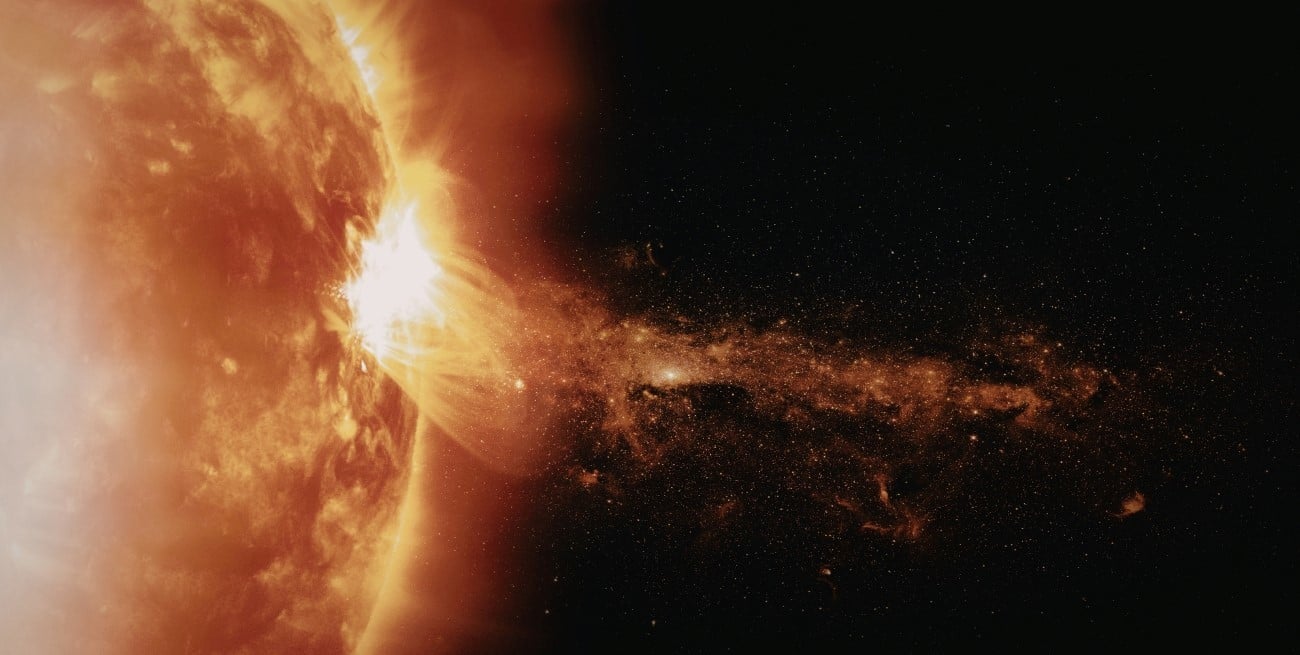
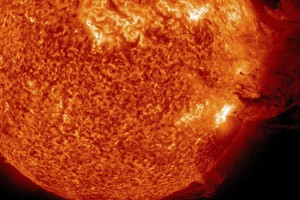
Una tormenta geomagnética severa avanza asociada a una llamarada solar de clase X1.9 y a una eyección de masa coronal, lo que encendió alertas por su posible impacto en la Argentina. El fenómeno forma parte de un episodio de actividad solar excepcional, considerado el más intenso de los últimos 22 años, con antecedentes comparables a los registrados en octubre de 2003.
Monitoreo
Fuerte actividad solar activa alertas en Argentina por tormenta geomagnética
El fenómeno está vinculado a una llamarada de alta intensidad y a una eyección de masa coronal, dentro de un episodio excepcional del ciclo del Sol monitoreado por organismos científicos.
Según los reportes difundidos por la NASA, el evento ya mostró efectos visibles en otras regiones del planeta, como la aparición de auroras en zonas donde habitualmente no se observan. A partir de este escenario, operadores de infraestructuras críticas comenzaron a revisar sistemas eléctricos, satelitales y de navegación ante eventuales interferencias.
Seguimiento en Argentina
La advertencia se inscribe en el monitoreo permanente del clima espacial que realizan organismos internacionales. En el ámbito local, el seguimiento se efectúa a través del Servicio Meteorológico Nacional, que analiza datos globales y regionales, con especial atención en el hemisferio sur y en áreas cercanas a la Antártida.
Estas regiones suelen presentar una mayor sensibilidad frente a perturbaciones del campo magnético terrestre, lo que vuelve relevante el control de este tipo de eventos.

Qué es una tormenta geomagnética
Una tormenta geomagnética es una alteración intensa del campo magnético de la Tierra producida por la interacción entre el viento solar y la magnetosfera, el escudo natural que protege al planeta. Cuando una eyección de masa coronal impacta de frente, se generan corrientes eléctricas inducidas que pueden propagarse tanto en el espacio como en la superficie terrestre.
En este caso, el fenómeno no se presentó como un evento aislado, sino como parte de una secuencia de erupciones solares originadas en una región activa del Sol, caracterizada por un grupo de manchas solares de gran tamaño. Por este motivo, los especialistas no descartan nuevos episodios en los próximos días.
Posibles efectos en el sur del país
Para la Argentina, los reportes indican que las zonas más sensibles son el sur del país y las áreas próximas a la Antártida. Allí podrían registrarse interferencias en servicios de navegación y comunicaciones, especialmente en sistemas que dependen de señales satelitales, como el GPS.
Se estima que la tormenta geomagnética impactará a la brevedad en el país y que podría alcanzar su pico durante el fin de semana del 31 de enero. Este dato resulta relevante para la navegación marítima y aérea, ya que embarcaciones privadas, industriales y comerciales podrían verse afectadas por cortes temporales de comunicación.

Intensidad del evento solar
De acuerdo con los insumos disponibles, la tormenta alcanzó niveles G4 en la escala geomagnética y estuvo acompañada por una tormenta de radiación solar S4, un umbral que no se registraba desde 2003. Este nivel de actividad explica la magnitud de la alerta y el seguimiento continuo por parte de la NASA y organismos asociados.
Aunque no se anticipan efectos generalizados para la población, el episodio vuelve a mostrar cómo la actividad solar puede incidir de manera directa en la tecnología y en infraestructuras críticas, especialmente en regiones de latitudes medias y altas del hemisferio sur.
Sobre el Autor
#TEMAS: