Científicos registraron por primera vez en vídeo a un tiburón durmiente nadando en las profundidades del Océano Antártico, desafiando la creencia de que estas especies no habitan en aguas tan frías. El hallazgo, captado en enero de 2025 frente a las Islas Shetland del Sur, plantea nuevas preguntas sobre la adaptabilidad de la vida marina en ambientes extremos.
Adaptabilidad al frío extermo
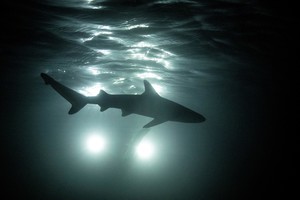
Por primera vez graban un tiburón durmiente nadando en las heladas aguas de la Antártida
Un video inédito revela un tiburón durmiente en el Océano Antártico renueva el debate sobre cómo el calentamiento oceánico afecta la distribución de especies marinas.
Un hallazgo inesperado en aguas casi heladas
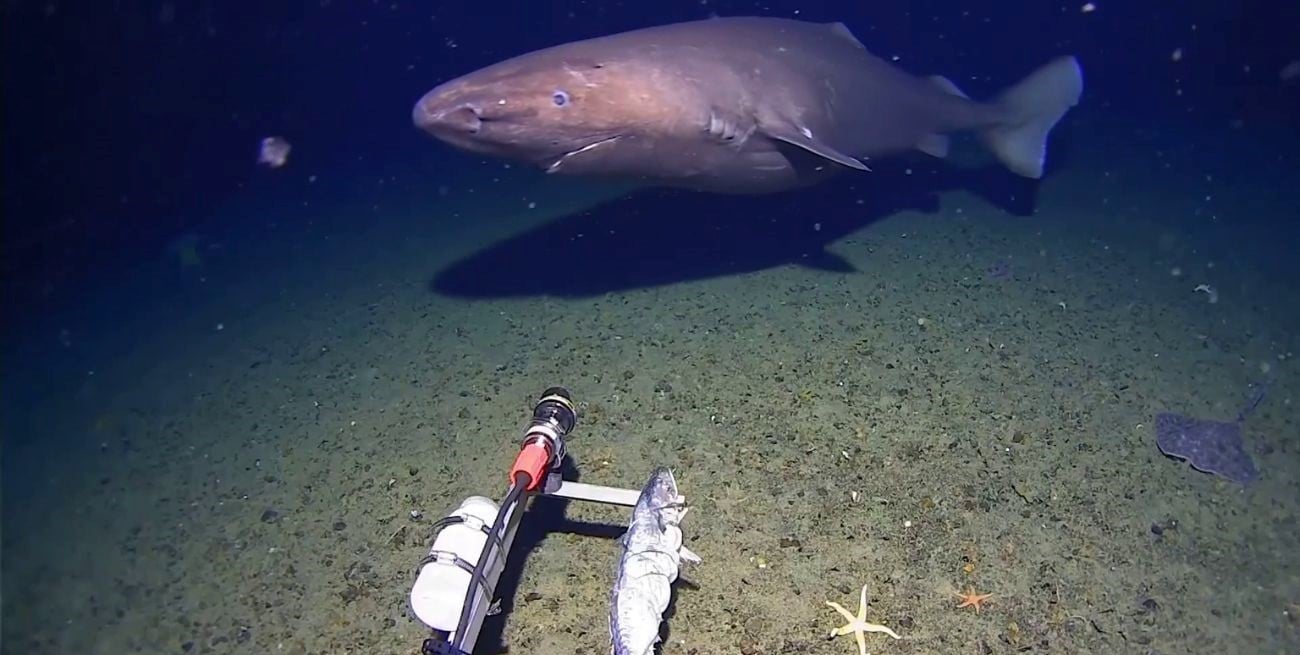
Durante una expedición científica en enero de 2025, una cámara operada por el Minderoo-UWA Deep-Sea Research Centre captó por primera vez a un tiburón durmiente moviéndose sobre el fondo marino en el océano Antártico, a unos 490 metros de profundidad y con la temperatura del agua apenas sobre el punto de congelación, a 1,27 °C.
Este registro sorprende a los investigadores porque hasta ahora se pensaba que las aguas antárticas eran demasiado frías para albergar tiburones de gran tamaño.
Características del tiburón observado
El tiburón captado en vídeo es un ejemplar considerable, con una longitud estimada de entre 3 y 4 metros (10 a 13 pies), descrito por los científicos como un animal robusto de movimientos lentos.
Alan Jamieson, investigador del centro australiano, explicó que el equipo no esperaba encontrar tiburones en esa región porque existe “una regla general” en la comunidad científica de que los tiburones no habitan en los mares antárticos.
¿Dónde fue filmado?
La filmación se realizó cerca de las Islas Shetland del Sur, un archipiélago ubicado frente a la Península Antártica, dentro del límite del océano Antártico definido por la latitud 60° S.
Los investigadores señalan que la cámara estaba colocada en una capa relativamente “cálida” de agua entre otras más frías, lo que pudo haber permitido al tiburón desplazarse en ese entorno extremo.

Implicancias científicas y ambientales
El hallazgo desafía las ideas previas sobre la distribución de tiburones en los océanos polares. Aunque especies como las rayas tenían presencia confirmada en estas aguas, nunca antes se había registrado un tiburón tan al sur.
Peter Kyne, biólogo conservacionista, señaló que es posible que estos tiburones hayan estado allí durante mucho tiempo sin que nadie los detectara, debido a la limitada exploración científica y a las difíciles condiciones de observación en el océano austral.
Asimismo, el descubrimiento renueva la discusión sobre el impacto del cambio climático en la vida marina, ya que el calentamiento de los océanos podría estar impulsando a algunas especies a explorar zonas más extremas que antes parecían inhabitables.
Vida en las profundidades antárticas
Los tiburones durmientes, conocidos por su metabolismo lento, son especies adaptadas a condiciones severas y se cree que pueden alimentarse de cadáveres marinos, calamares y otras presas que se depositan en el fondo oceánico. La filmación sugiere que podrían estar utilizando estas estrategias para sobrevivir en las frías capas de agua del océano Antártico.
Este registro histórico de un tiburón durmiente en las profundidades del Océano Antártico no solo amplía el conocimiento sobre la biodiversidad polar, sino que también plantea desafíos sobre cómo entendemos las adaptaciones de la vida marina ante condiciones extremas. A medida que cambian las temperaturas globales, descubrimientos como este podrían ser claves para entender cómo las especies se redistribuyen en los ecosistemas oceánicos.
Sobre el Autor
#TEMAS: